Tired, Wired, or Off? Early Warning Signs of Thyroid Problems Most People Miss
"The content below is not intended to be a substitute for professional medical advice, diagnosis, or treatment. Always seek the advice of your physician or other qualified health provider with any questions you may have regarding a medical condition."
It’s only 2:00 PM, and you’re pouring your third cup of coffee. No matter how much caffeine you drink or how many hours of sleep you get at night, you just don’t feel alert enough to make it through your day.
You eat healthy and go to the gym, but you just can’t seem to lose the weight you inexplicably put on. You find that no matter what you do to take care of yourself, you’re still constantly tired and struggling to look and feel your best.
It is possible that your thyroid could be to blame. If it’s underproducing or overproducing the hormones it’s responsible for, your body will feel the effects when this small gland malfunctions.
This article will help you identify common symptoms associated with thyroid problems and how they show up in your everyday life.

Table of Contents
What Does a Thyroid Problem Actually Feel Like?
Your thyroid is a butterfly-shaped gland located in your neck. It is small and unassuming, but it plays a big role in helping you look and feel your best. So, when it does not produce the right amount of hormones needed to support your body’s functions, you feel the effects in your daily life. Symptoms may include:
- Experiencing exhaustion, no matter how much you sleep
- Feeling “stuck” or “uncomfortable” in your body
- Battling digestive issues that leave you chained to the bathroom
- Watching your hair and skin thin or deteriorate
- Wrestling with brain fog, low moods, or jittery behaviors
- Running hot or cold when everyone else in the room feels fine
Symptoms may vary from person to person, and many signs of thyroid problems can often be overlooked early on and attributed to other causes. If you’re experiencing any of these early warning signs of thyroid problems,
HealthierU is here to help manage your symptoms.

The Butterfly (Gland) Effect: 8 Early Warning Signs of Thyroid Problems
People often look at each symptom in isolation rather than as pieces of the puzzle that is thyroid disease. But if you know the early warning signs of thyroid disease, you can get a jump-start on feeling your best.
So, what are the early warning signs of an overactive thyroid? And what are the early warning signs of thyroid problems caused by hyperthyroidism? Below, we’ll walk through common signs of both an overactive and an underactive thyroid to help you figure out what your body is telling you.
#1: Unusual Fatigue
Your alarm goes off after you’ve gotten an adequate amount of sleep, but you still feel extremely tired, no matter how many hours of sleep you get. Could your thyroid be the culprit?
The fatigue associated with thyroid disease is more overwhelming than just feeling tired. It is a relentless exhaustion that affects your daily life.
- An underactive thyroid (hypothyroidism) may be producing too little of the hormone needed to help you feel rested, no matter how much sleep you get.
- An overactive thyroid (hyperthyroidism) may be producing too much of the hormone that allows you to fall asleep quickly.
#2: Unexplained Weight Fluctuations
Did you know your thyroid plays a crucial role in regulating your basal metabolic rate?
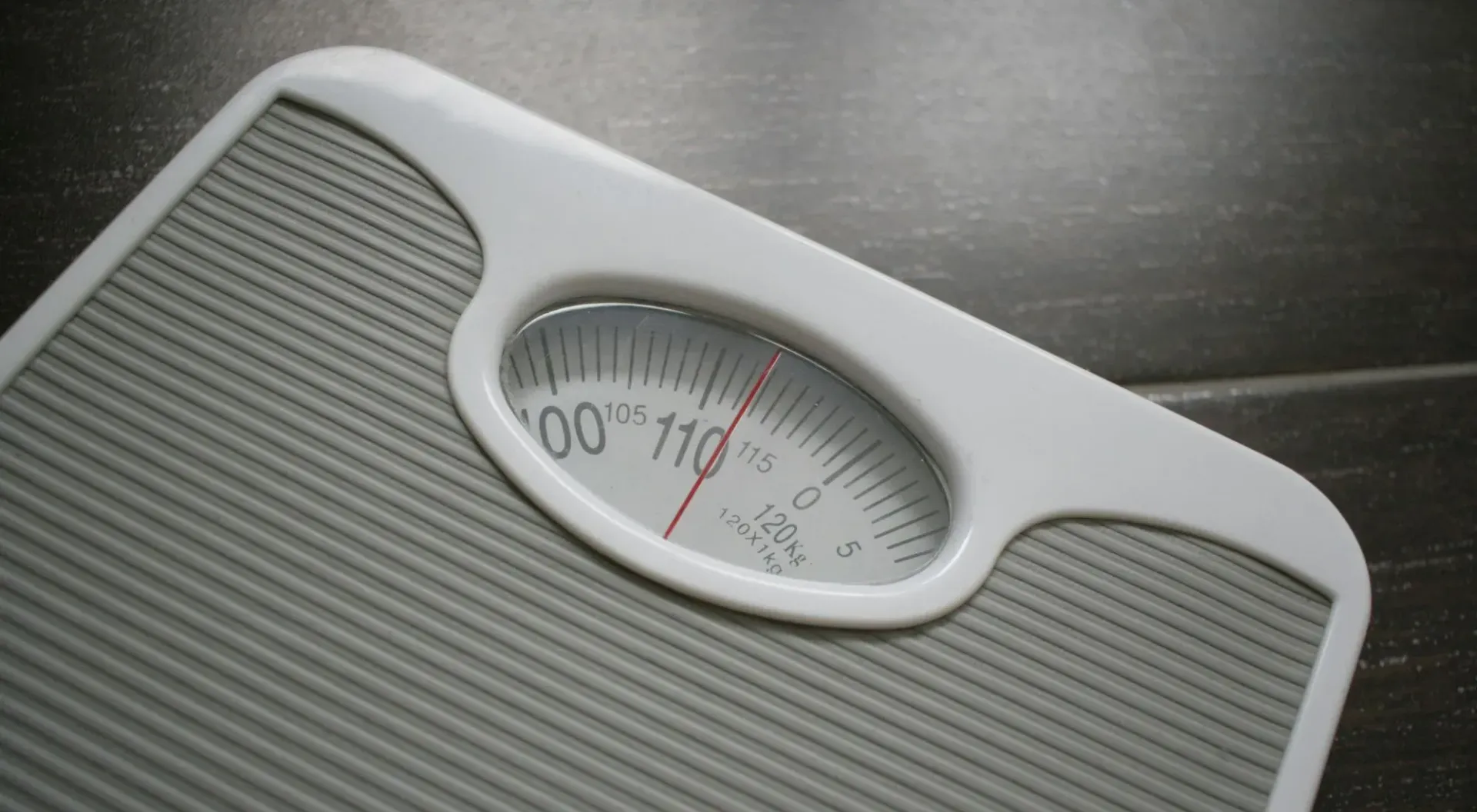
When your thyroid is overactive or underactive, you may notice changes in your weight despite efforts to lose or gain, no matter what you try.
- When your thyroid is not producing enough hormones to regulate your body’s weight, you may notice rapid weight gain due to your metabolism slowing down.
- Alternatively, when your thyroid is overproducing hormones, you may experience noticeable weight loss without a change in diet or exercise.
Don’t feel defeated, though. Diet and exercise are still important when dealing with thyroid issues. You may be able to control your symptoms with
natural thyroid treatment in Brooklyn.
#3: Temperature Sensitivity
Your office keeps the temperature at a balmy 78 degrees, but you find yourself layering in blankets and sweaters while your coworkers are in t-shirts. Or maybe you find yourself sweating and feeling hot while everyone around you is shivering.
Either way, your thyroid could be to blame. The thyroid regulates internal body temperature, so when there’s an issue, a person’s sense of temperature can be altered.
- If you’re constantly feeling like you’re cold and can’t get warm no matter what you try, your underactive thyroid just might be the culprit.
- If you’re struggling with an
overactive thyroid, you may experience
excessive sweating, warm/flushed skin, or a preference for cooler environments.
#4: Changes in Hair and Skin
Did you know that your skin is the largest organ of your body? And its health can be controlled by one of your body's smaller glands: your thyroid.
Your skin cells are regulated by thyroid hormones, which control the skin cell turnover rate.
- Patients with hypothyroidism often struggle with dry skin. These dead cells can make your skin look dull and lackluster.
- Patients with hyperthyroidism may experience increased blood flow to the skin, resulting in facial redness or flushing and palms that feel more delicate and thinner.
Your luscious locks may also be affected by hypothyroidism. Hair growth is primarily controlled by the thyroid hormones, so when you have low levels of the hormones, you may experience excess thinning and/or hair loss.
#5: Vision Problems
As you get older, you may notice your vision isn't as clear or as vibrant as it used to be. You may just blame this on your age, but did you know it may be related to thyroid disease?
Your thyroid hormones play a role in the development of cones, which affect how well you see things up close and far away. Hypothyroidism can also cause chronic dry eyes and blurry vision.
- Some people with hypothyroidism may also experience color changes and color loss due to an underactive thyroid.
- For those with hyperthyroidism, conditions (like Graves’ disease) can cause eye problems, such as:
- Blurred or double vision
- Red eyes
- Bulging eyes
- Dry eyes
- Increased sensitivity to light
If your vision problems are due to thyroid issues, you may need more than just glasses to help you in the long term.
#6: Gastrointestinal Issues
Stomach problems can be debilitating. When your stomach hurts, or you have diarrhea, being able to get anything done is nearly impossible because you feel chained to your bathroom.
Your stomach issues (loss of appetite, nausea, diarrhea, bloating, and indigestion) may be because of an underactive thyroid.
- Hypothyroidism increases the risk of bacterial overgrowth or imbalance in your digestive system. This is known as Small Intestinal Overgrowth (SIBO). Over half of patients suffering from hypothyroidism report gastrointestinal issues associated with SIBO.
- On the flip side, hyperthyroidism
can send your digestive system into overdrive. An overactive thyroid often
speeds up the digestive process, and waste moves through the colon too quickly for the body to absorb enough water, resulting in loose or watery stools. Hyperthyroidism can also cause nausea, abdominal discomfort, and more frequent bowel movements.
#7: Difficulty Sleeping
Your house is quiet because everyone else is asleep as you watch the clock go from 11:00 PM to 2:00 AM, and before you know it, your alarm goes off and it’s time to get up.
If your thyroid isn’t functioning properly, your brain isn’t getting the signals it needs to fall asleep and stay asleep:
- Patients with an overactive thyroid may find themselves suffering from insomnia because of an overproduction of hormones that affect sleep.
- Patients who suffer from an underactive thyroid often find themselves unable to get quality sleep because of other symptoms of hypothyroidism, such as constantly being cold and an inability to get comfortable, anxious thoughts, or muscle and joint pain.
There may not be a magic sleep fairy that can help you get a solid eight hours of quality sleep a night, but if your sleep problems are because of your thyroid, then there are ways you can treat the
symptoms that are keeping you up at night.
#8: Depression and Anxiety
Do you feel like no matter how hard you try, you just can’t seem to get out of the mental rut you’re in? Or do you feel like you just can’t turn your brain off?
If you are constantly fighting to feel happy or calm, your thyroid may be making things difficult for you.
The thyroid hormone helps produce and regulate neurotransmitters like serotonin.
- Low serotonin levels are linked to depression. Individual symptoms of hypothyroidism, such as excessive fatigue, weight gain, and chronic hair and skin problems, also contribute to the risk and severity of feelings associated with depression.
- Excess thyroid hormone speeds up every system in your body, including your nervous system. Hyperthyroidism’s hormone overdrive can show up as feelings of anxiety, like panic attacks, racing heart, restlessness, etc.
The cycle of constantly feeling fatigued and attempting to self-medicate with stimulants such as caffeine may increase feelings of depression, anxiety, and irritability. The good news is that there are stress management techniques that may help restore mental wellbeing.

What Are Early Warning Signs of Thyroid Problems in Females?
Studies have shown that women are at greater risk of developing thyroid disease and should be cognisant of specific changes in their bodies, such as:
- Irregular, heavy, light, or absent periods
- Trouble getting pregnant or having miscarriages
- Symptoms that mimic perimenopause
- Difficulty producing breastmilk
- Low libido
- Postpartum thyroiditis
What Are Early Warning Signs of Thyroid Problems in Males?
While women are at greater risk for developing thyroid disease, men can also suffer from thyroid problems, and there are a few symptoms that are red flags for men, such as:
- Erectile dysfunction or low libido
- Muscle weakness and joint pain
- Reduced body or facial hair growth
- Gynecomastia (breast tissue enlargement)
- Decreased sperm count
Discover Holistic Treatments for Warning Signs and Symptoms of Thyroid Problems With HealthierU
Hypothyroidism can look and feel different for each person. Some people may experience multiple symptoms, while others may experience only one or two.
The early
signs and symptoms of thyroid problems are unique to each individual. As such, the treatment of these symptoms will also be unique.
If you feel like any combination of these symptoms is affecting your daily life, contact us to schedule a free consultation. Dr. Donna Sergi has decades of experience backing her commitment to helping her patients get well and stay well.
HealthierU is committed to helping you find natural, holistic options to start your journey of transforming yourself from the inside out and to help you look and feel your best.