Selenium and Thyroid Health: Understanding the Connection
Living with hypothyroidism, Hashimoto’s, or another thyroid condition can make nutrition feel more complicated than it should. When you are already managing fatigue, brain fog, changes in weight, or other symptoms, figuring out which nutrients actually matter can feel overwhelming.
Understanding the relationship between selenium and thyroid health can make that process clearer. Selenium is an essential mineral involved in thyroid hormone metabolism and antioxidant protection, making adequate intake an important part of supporting normal thyroid function.
Below, HealthierU explains the connection between thyroid health and selenium, including what selenium does, what may happen when levels are too low, the best dietary sources, and more.
Table of Contents
What Is Selenium?
Selenium is an essential mineral that supports several bodily functions, including antioxidant protection, immune function, and thyroid hormone metabolism.
Because your body does not make selenium, you must get it through food or, when appropriate, supplements.
The thyroid contains a particularly high concentration of selenium. That is one reason researchers continue examining the relationship between selenium and thyroid health, particularly in people with hypothyroidism and autoimmune thyroid conditions such as Hashimoto’s.
Understanding the Role of Selenium for Thyroid Issues
The thyroid contains a higher concentration of this mineral per gram of tissue than in any other organ, which helps explain the close relationship between thyroid health and selenium.
Selenium supports thyroid function in several important ways:
- It helps protect thyroid cells from oxidative stress. Thyroid hormone production naturally generates hydrogen peroxide. Selenium is part of antioxidant enzymes such as glutathione peroxidase, which help neutralize excess hydrogen peroxide and protect thyroid tissue from oxidative damage.
- It helps convert T4 into T3. Selenium is also incorporated into proteins called deiodinases, which help convert thyroxine (T4) into triiodothyronine (T3), the more biologically active thyroid hormone. Inadequate selenium may interfere with normal activity of these enzymes.
- It helps regulate thyroid hormone metabolism. Selenium-dependent enzymes participate in both the activation and deactivation of thyroid hormones according to the body’s needs, helping maintain appropriate thyroid hormone activity.
These functions are why adequate selenium intake is relevant, especially for people managing hypothyroidism or Hashimoto’s. However, more selenium does not automatically mean better thyroid function, and supplementation should be based on individual nutritional needs.
Contact HealthierU to schedule a nutrition consultation with Dr. Donna Sergi and discuss how selenium may fit into your overall nutrition plan. She can also help you explore safe ways to incorporate
selenium for thyroid issues without relying on unnecessary supplementation.
The Relationship of Iodine and Selenium for Thyroid Health
Iodine is a building block of thyroid hormones, while selenium-dependent proteins help activate thyroid hormones and protect thyroid tissue from oxidative stress generated during hormone synthesis.
This means balance matters between these two micronutrients. Selenium deficiency may compound problems associated with inadequate iodine, while excessive amounts of either nutrient are not necessarily beneficial.
If you have hypothyroidism, Hashimoto’s, or concerns about your iodine intake, avoid making major changes to either selenium or iodine supplementation without discussing them with a qualified healthcare professional.
What Can Cause Selenium Deficiency?
The most common causes and risk factors of selenium deficiency are:
- Consuming a diet low in selenium-rich foods: Seafood, meat, poultry, eggs, grains, and certain nuts are common sources. A restrictive diet can make adequate intake more difficult if those foods are not replaced appropriately.
- Living in a region with selenium-poor soil: The selenium content of plant foods varies substantially depending on where they are grown.
- Conditions that interfere with nutrient absorption: Certain gastrointestinal disorders or procedures affecting absorption may make nutritional deficiencies more likely.
- Kidney dialysis: Long-term hemodialysis may contribute to lower selenium levels in some patients.
- Living with HIV: Lower selenium status has been observed more frequently among people living with HIV.
What Are the Symptoms of Selenium Deficiency?
Symptoms that may indicate you are deficient in selenium include:
- Infertility (in both men and women)
- Hair loss
- Fatigue
- Muscle weakness
- Brain fog
- Impaired immunity
Many of these symptoms overlap with symptoms of hypothyroidism, but that does not necessarily mean selenium deficiency is the underlying cause.
Selenium is required for proteins involved in thyroid hormone metabolism and antioxidant defense. Low selenium status may therefore interfere with these processes, particularly when iodine status is also inadequate.
However, thyroid conditions have multiple potential causes and contributing factors, so selenium should be viewed as one part of the nutritional picture rather than a stand-alone explanation.
How To Get Enough Selenium for Thyroid Health
Selenium is found in food, supplements, and nutritional antioxidant formulas. It is best to get selenium from foods because processing and refinement can destroy the mineral.
Diet
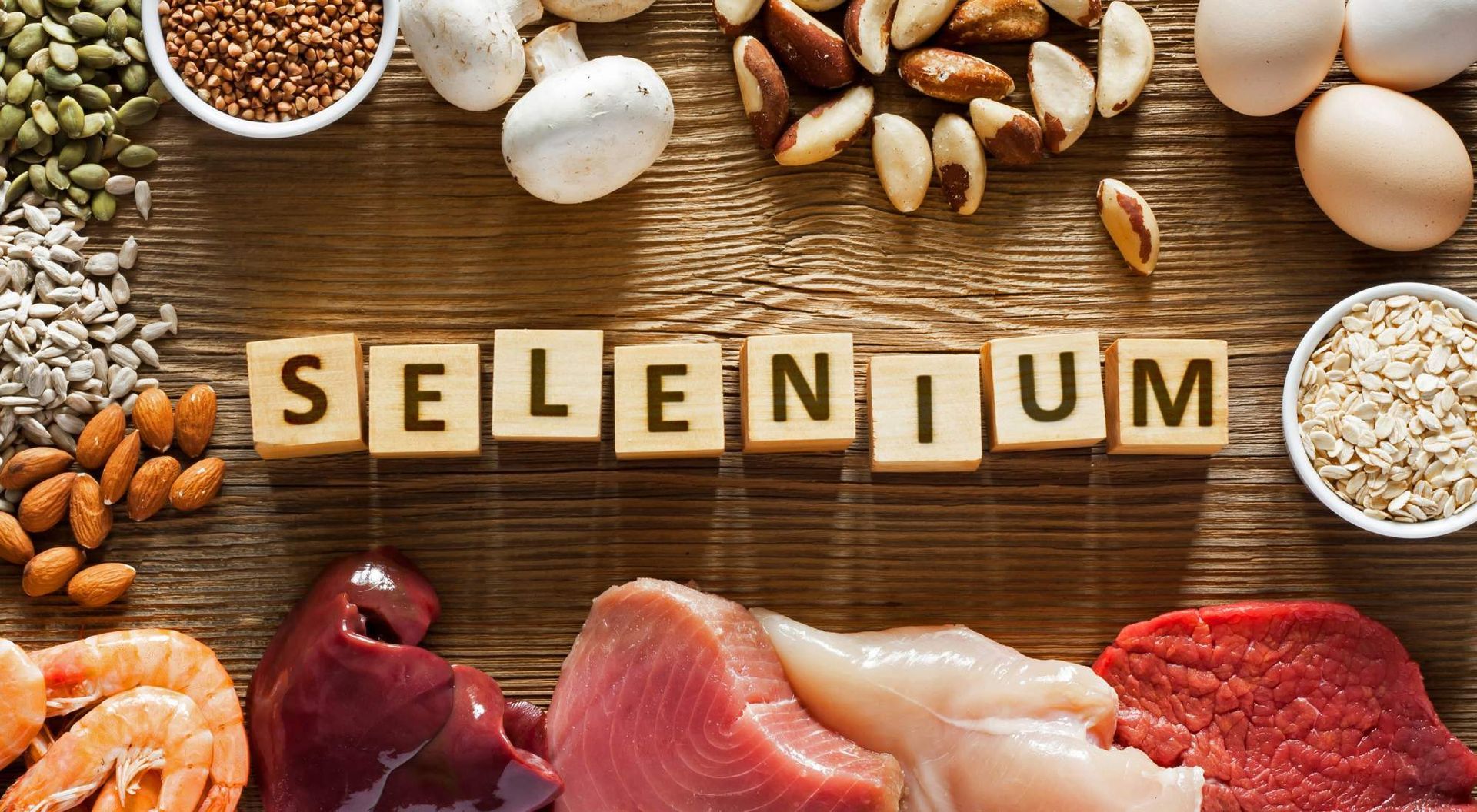
Consider incorporating these selenium-rich foods into your diet to ensure adequate selenium levels:
- Brazil nuts
- Canned sardines
- Shrimp
- Ham
- Whole wheat bread and pasta
- Pork, beef, turkey, chicken
- Cottage cheese
- Eggs
- Brown rice
- Sunflower seeds
Brazil nuts are exceptionally high in selenium, but the amount can vary significantly from one nut to another. Because excessive selenium intake can be harmful, eating more Brazil nuts does not necessarily provide additional benefits.
A varied diet can make it easier to obtain selenium without relying heavily on a single food.
Selenium is found in food, supplements, and nutritional antioxidant formulas. It is best to get selenium from foods because processing and refinement can destroy the mineral.
Supplements
Although food should generally come first, some people may consider supplementation when their diet does not provide enough selenium or when a healthcare professional identifies another reason to supplement.
The recommended dietary allowance for adults is generally 55 micrograms of selenium per day. Requirements increase to 60 micrograms during pregnancy and 70 micrograms while breastfeeding.
That does not mean everyone with hypothyroidism or Hashimoto’s should automatically begin taking selenium.
Supplement needs can vary according to:
- Diet
- Existing selenium status
- Medical conditions
- Medications
- Other supplements you are already taking
Excessive selenium can also cause adverse effects.
Dr. Sergi at HealthierU is a
thyroid nutritionist in Brooklyn, NY, who creates customized nutrition plans for her patients, including personalized recommendations for supplements and trusted brands.

FAQs About Selenium and Thyroid Function
Can Selenium Help Prevent Thyroid Issues?
Selenium plays an important role in normal thyroid function, but getting more selenium does not necessarily prevent thyroid disease or correct an existing thyroid condition.
Maintaining adequate selenium intake supports the processes involved in thyroid hormone metabolism and antioxidant protection. However, thyroid disorders can have many causes, and selenium supplementation is not appropriate or beneficial for everyone. If you have a thyroid condition or are concerned about your selenium levels, talk with your healthcare provider before adding a supplement.
What Is the Recommended Daily Amount of Selenium?
The National Institutes of Health recommends that adults above age 19 should take in 55 micrograms of selenium each day. For pregnant and breastfeeding women, this amount increases to 60 and 70 micrograms, respectively. The upper limit for selenium consumption is 400 micrograms; levels above that are considered toxic.
How Long Does It Take for Selenium To Help the Thyroid?
A 2023 study measuring the effects of selenium supplementation in Hashimoto’s patients found that antithyroid antibodies were significantly
reduced within 3 months. While individual results can vary, this suggests that changes associated with selenium supplementation may take several months to become apparent.
Who Should Not Take Selenium?
Selenium supplementation should be undertaken only under the guidance of a healthcare professional, particularly if you have hypothyroidism or have had or are at risk for skin cancer.
Even if you have none of these conditions, excessive selenium may increase your risk of developing diabetes or high cholesterol, as well as the following symptoms, ranging from minor to more severe:
- Hair loss
- Muscle tremors
- Stomach upset
- Lightheadedness
- Heart attack
- Respiratory distress
- Kidney failure
Can Selenium Help My Overall Health?
Selenium is not only helpful for the thyroid; it is beneficial for the body as a whole in several ways:
- Its antioxidant properties can help reduce oxidative stress and thus the risk of heart disease and cancer, among other chronic conditions.
- It may decrease your risk of developing various cancers, including cancer of the breast, lung, esophagus, stomach, and prostate.
- It may help prevent or slow mental decline, such as that involved in Alzheimer’s, Parkinson’s, and multiple sclerosis.
- It may strengthen the immune system, as described above, and reduce asthma symptoms.
Support Your Thyroid Health With a Personalized Nutritional Plan From HealthierU
To get trusted and effective support in strengthening your thyroid, contact Dr. Sergi at HealthierU. We offer excellent natural treatment for hypothyroidism and many other conditions, including hormone imbalances, acne, digestive issues, back pain, and more.
Dr. Sergi is a holistic chiropractor and nutritionist who aims to assist her patients in finding the safest and most natural remedies for dealing with their health issues. Her expert advice will help you begin taking charge of your health by addressing the root cause of hormonal dysfunction and taking preventive action to protect your body as a whole.
Visit HealthierU’s website today to learn how to get in touch with a healthcare provider who provides personalized, considerate care and guides you through the lifestyle changes you can make to enjoy a healthy mind and body.