Understanding the Stages of Hashimoto’s and How the Condition Develops Over Time
You have noticed that your favorite jeans have become a little bit tighter, you feel tired all the time, and have developed this nagging joint pain and dry skin. But it’s just a busy life with stress of managing a house, the kids, and a job, right?
But is it just life, or is it something else lurking in your body that is causing the symptoms that have crept up on you recently? After a visit to your doctor to discuss the changes, she suggests Hashimoto’s disease may be the culprit.
Keep reading to understand more about Hashimoto’s and the stages of the condition, thyroid dysfunction, potential symptoms, and how interventions can help you feel better and return to your normal self.
Table of Contents
What Is Hashimoto’s and Why Do the Stages Matter?
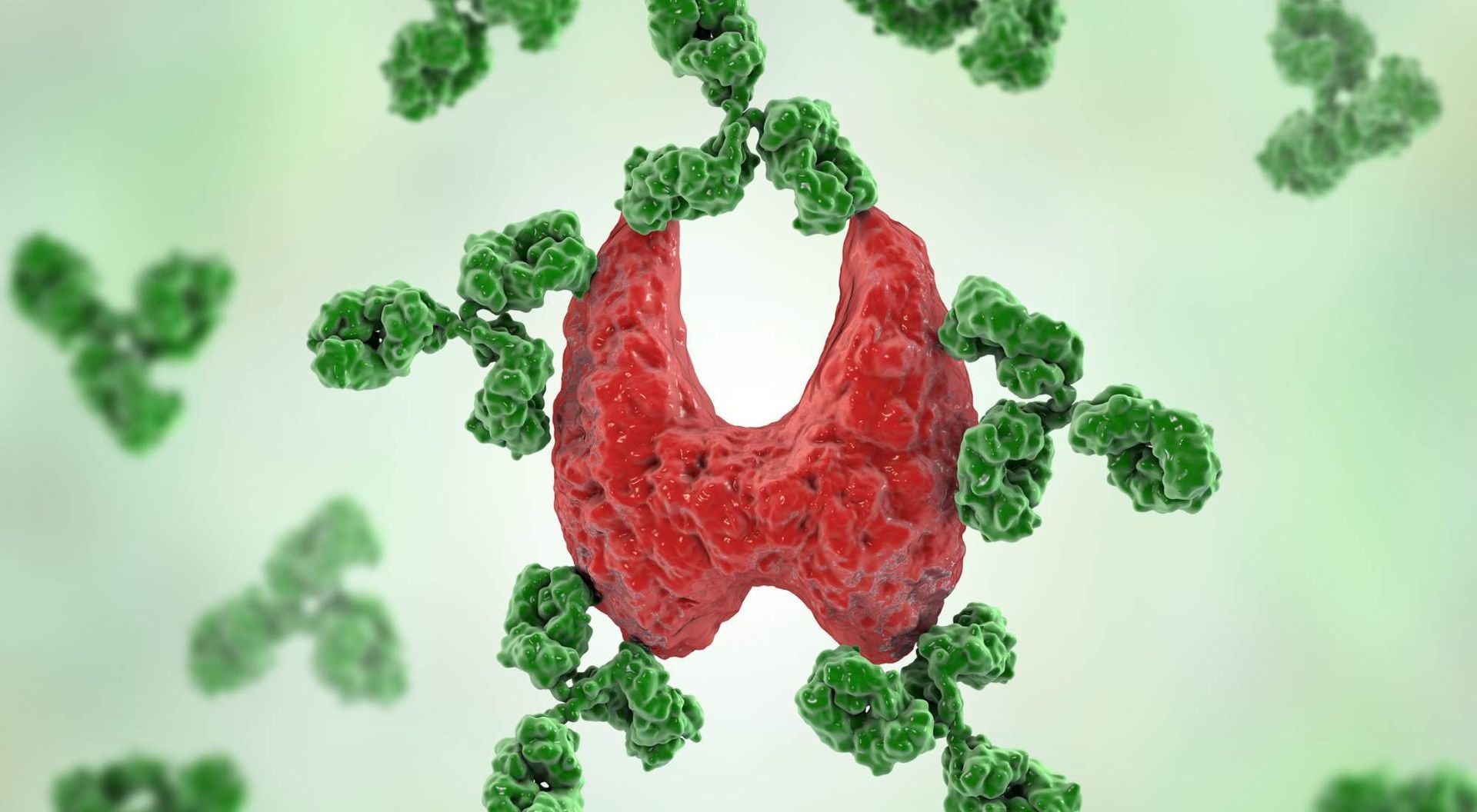
Hashimoto’s disease is an autoimmune disorder that affects your thyroid gland and is the most common cause of hypothyroidism, meaning the thyroid is underactive. Hashimoto’s thyroiditis is also known as chronic lymphocytic thyroiditis or autoimmune thyroiditis, which causes you to develop antibodies that damage your thyroid gland.
This gland is butterfly-shaped and is located at the base of the front portion of your neck. It is responsible for the production and release of thyroid hormones and is an important part of your endocrine system.
Hashimoto’s disease can cause lower-than-normal levels of thyroid hormones and may affect several areas of your body, but it is treatable with medication.
Because Hashimoto’s progresses slowly, early detection of abnormal symptoms is not always easy. Additionally, signs and symptoms of the dysfunction can greatly vary, and are not always specific to thyroid dysfunction.
It is important to consult your health care provider as soon as possible for a timely and accurate evaluation. If you are suffering from new symptoms and believe they may be linked to a thyroid disorder, HealthierU can help identify the problem and design a personalized and holistic plan of care. Contact us today for a free consultation.

What Are the 5 Stages of Hashimoto’s?
#1: Genetic Susceptibility & Early Immune Activation
In the first stage of Hashimoto’s disease, the primary issue is a genetic link and increased risk of the autoimmune disorder, a condition in which your immune system attacks your own body.
At this time, your thyroid gland may still be functioning normally and your lab results may appear normal, butyou may not feel quite yourself.
Subtle Immune Changes With No Thyroid Damage Yet
Initially, your thyroid gland may still be functioning normally with lab work results remaining at appropriate levels, including the thyroid peroxidase (TPO) antibody test, which is used to actually diagnose Hashimoto’s.
TPO is a type of protein called an enzyme, and has an important role in stimulating the thyroid gland in making hormones. However, the immune systems in those with thyroid disease may actually attack the thyroid gland and TPO by making antibodies to rid the body of the TPO enzyme.
So while some bloodwork may be initially reporting results within normal limits, including TPO, you may not feel quite yourself. This may indicate the thyroid issue might stem from non-autoimmune causes like medication, iodine deficiency, or post-viral inflammation. It could also mean a thyroid concern is in an early or more mild autoimmune stage in which antibodies are not yet detectable.
Early Warning Signs To Look For
Many people in this stage are unaware that there is anything specifically amiss, but may experience generalized symptoms before any hormone levels are affected.
Symptoms that may be present include:
- Fatigue
- Brain fog and difficulty concentrating
- Mood changes or mood swings
- Digestive changes or constipation
- Dry skin
- Sensitivity to cold
- Hair loss
- Weight gain

#2: The Silent Autoimmune Attack Begins
Despite the fact that some people have an increased risk of developing Hashimoto’s disease, there is often a trigger that appears to activate the disease.
Some common triggers include the following:
- Gender and hormones
- Hashimoto’s disease is more common amongst women
- Hormonal changes related to pregnancy or menopause
- Hormonal imbalances, like increased levels of estrogen
- Environmental exposures
- Exposure to pollutants, toxins, and chemicals may lead to autoimmune dysfunction
- Acute health changes
- Infection
- Injury
- Surgery
- Diet and nutrient deficiencies such as iodine, Vitamin D, and selenium
- Chronic stress
- Inadequate sleep
Elevated Thyroid Antibodies (TPO, Tg)
In order to diagnose Hashimoto’s disease, providers will order labs to check for indicators that the thyroid gland may be underactive (hypothyroidism) or overactive (hyperthyroidism).
Lab markers for thyroid function include:
In this stage, antibodies may now be elevated, but TSH and T4 can still be within normal range. Unfortunately, many patients are dismissed by their primary care providers at this stage due to a lack of definitive proof of thyroid dysfunction
Symptoms That Often Get Overlooked
Our busy lives can sometimes wreak havoc on our bodies, and this can manifest in a variety of symptoms. Weight gain, fatigue, and depression are all common symptoms that can easily be attributed to everyday life stressors. However, they could also be warning signs of a thyroid imbalance.
Thyroid conditions can occur in anyone at any age, and women over the age of 50 are at a greater risk. If you are not feeling well, advocating for yourself is very important, as it is difficult to diagnose Hashimoto’s in the early stages.
How To Support Healing at This Stage
Supporting your thyroid and body at this stage is often centered around stress reduction, gut repair, and anti-inflammatory approaches.
You can address your hypothyroidism symptoms with a holistic approach focused on thyroid health. HealthierU provides education on nutritional supplementation, diet, and lifestyle changes that may help support not only your thyroid, but your overall health.
#3: Subclinical Hypothyroidism
Subclinical hypothyroidism happens when you have elevated thyroid-stimulating hormone (TSH) levels with normal thyroxine levels, and often does not cause symptoms.
This is the “borderline” stage where traditional medicine may delay treatment, but functional care focuses on lifestyle changes to prevent Hashimoto’s from progressing and causing further thyroid damage.
TSH Begins Rising, But T4 May Still Be Normal
In normal functioning, there are multiple hormones and glands in your endocrine system that work together to carefully control the level of TSH in your bloodstream. TSH then stimulates cells in your thyroid to release thyroxine and triiodothyronine into your bloodstream. These two hormones prevent your pituitary gland from producing more TSH if the levels of thyroxine and triiodothyronine are too high.
However, in subclinical hypothyroidism, thyroid hormonal output
does not increase as it normally should in response to the elevated TSH levels. This leads to elevated TSH levels and normal thyroxine levels, and can cause confusing or inconsistent symptoms.
Why Many Patients Still Feel Unwell
Many times, subclinical hypothyroidism does not result in specific symptoms, but you may experience issues such as:
- Slower metabolism
- Fatigue
- Inability to tolerate cold
- Mood changes
- Decreased attention span
- Dry skin and hair
- Depression
- High blood pressure
- Frequent or heavy periods
Getting Early Therapeutic Support Can Help
Initiating any treatment at this stage may depend on factors like your TSH levels, symptoms and overall health.
Some people receive treatment so the condition does not advance to hypothyroidism. However, treatment now could potentially cause thyrotoxicosis, which is too much thyroid hormone in your body, especially in older people.
Since many people with subclinical hypothyroidism do not present with symptoms, providers often recommend monitoring patients for a period of time and not initiating treatment.
Alternatives to pharmaceutical treatment may include holistic and nutritional support to prevent further damage to the thyroid. This may include:
- Nutrient repletion
- Adrenal support
- Thyroid-friendly diet
- Lifestyle modifications
#4: Overt Hypothyroidism
At this stage, the thyroid gland is now struggling with inadequate production of hormones. Due to increasing symptoms, patients will often be diagnosed by their provider at this time.
TSH High, T4 Low: Clear Lab Evidence
During this time, your lab work results will be clear, with the TSH being high and T4 decreasing, indicating a significant loss of thyroid function that typically requires treatment.
More Pronounced Symptoms
While symptoms may have been mild in prior stages, they are now becoming more pronounced, and may include:
- Weight gain
- Constipation
- Cold intolerance
- Depression
- Dry and brittle skin, hair, and nails
- Menstrual issues
- Slowed or impaired cognition
- Cardiovascular issues
Combining Medical and Functional Care
Combining conventional medical care and functional care for Hashimoto's disease means using standard hormone replacement medications alongside functional strategies that aim to address root causes.
This may include:
- Optimizing gut health
- Managing inflammation within the body
- Supplementing nutrient deficiencies
- Balancing hormones
- Incorporating stress reduction
- Slowing the autoimmune attack on the body
- Improving overall well-being
This integrative approach aims to heal the immune system, and not just replace hormones, leading to better symptom control and long-term health outcomes.

#5: Advanced Hashimoto’s & Thyroid Exhaustion
In advanced Hashimoto’s disease, the thyroid gland has suffered significant damage and will atrophy, or shrink. While thyroid damage is advanced at this point, patients can still drastically improve their health with comprehensive care.
The Thyroid Can No Longer Produce Adequate Hormones
Lifelong medication to replace thyroid hormones is common in the advanced progression of the disease, but it is not the entire solution.
A diet with a variety of nutrient-dense foods supports thyroid health, but every patient is different in terms of nutrient absorption, underlying circumstances, coexisting diagnoses, and how the body responds to different substances.
For these reasons, supplements for hypothyroidism can be dangerous if not taken under the guidance of a healthcare professional who can monitor your lab results and warn you of any contraindications.
HealthierU can help by asking the right questions and requesting the correct exams or labs to evaluate your body’s needs in the stages of Hashimoto’s. They can also suggest supplements that may make a positive difference in your experience with hypothyroidism.
Chronic Inflammation and Systemic Symptoms
Hashimoto's is a culprit of chronic inflammation and systemic issues, impacting the entire body through hormonal imbalance with a wide range of symptoms.
Unfortunately, even with monitoring and diligent management, flare-ups may occur. Those dealing with Hashimoto’s disease may also experience other chronic conditions, such as:
- Migraines
- Chronic fatigue
- Chronic discomfort from inflammation
- Other hormone imbalances
- The development of another autoimmune disorder
- Cardiovascular concerns
How Quickly Does Hashimoto’s Progress?
Hashimoto's disease may progress slowly over many years or even decades, and often remains undetected until significant thyroid damage occurs. Alternatively, some people progress quickly over a period of
months. The rate of progression can greatly vary from person to person.
Can You Reverse the Stages of Hashimoto’s?
With prompt diagnosis and appropriate treatment of Hashimoto’s disease, progression of the thyroid dysfunction can be slowed, and in some cases, damage can be partially reversed. Early diagnosis and treatment are vital for the best potential outcome.
How HealthierU Helps Patients Navigate and Treat Each Stage of Hashimoto’s
Nutritional changes and supplementation are among the best ways to support your thyroid function and return your body systems to the proper working function.
HealthierU begins by conducting a comprehensive nutritional assessment. Once we confirm the likely cause of your symptoms, you’ll receive a personalized program that addresses your specific needs with a holistic approach to care.
Our lifestyle programs make recommendations for diet, exercise, and whole-food supplementation.
Contact us today to schedule a free, complimentary consultation designed to help you get back to your best life with natural treatment for Hashimoto's in Brooklyn.