Is Low Carb Good for Hypothyroidism? A Guide to Treating Your Thyroid Issues Through Diet
Weight gain, fatigue, and increased sensitivity to cold are just some of the uncomfortable symptoms that those with hypothyroidism experience. Adjusting your diet can help with some of these symptoms, but with so many diet types out there, it may be hard to decide which one could work best for you.
In this guide, we will discuss the
benefits of a low-carb diet, the potential dangers of a keto diet for hypothyroidism, and other natural remedies that can alleviate the symptoms of your condition. Keep reading for more information.
Table of Contents
How Does Hypothyroidism Affect Weight?
Many women who have gained weight with no explanation often find out that it’s due to an underactive thyroid. That’s because a healthy thyroid gland sends hormones into your bloodstream that work to control your metabolism. When your body stops making the right amount of those hormones, this process slows.
This may cause you to feel:
- Cold
- Tired
- And sluggish
These symptoms can lead you to move less, further slowing your metabolism.
Hypothyroidism may also cause your body to retain salt and water, which causes bloating. Generally, only about 5-10 pounds of the weight gain from this condition is due to the body retaining water and salt. Any additional weight gain beyond that may be due to fatigue, which makes it harder to plan healthy meals and exercise regularly.
While you are trying to get your hypothyroidism under control, you may look to a low-carb diet to help shed those extra pounds. Let’s find out what that entails.
Is a Low-Carb Diet Beneficial for Hypothyroidism?
Low-carb diets aren’t anything new, and they have been around since the 1860s. The modern version of this way of eating began in the early 1970s with the popularity of the Atkins Diet.
With many people successfully taking control of their health through low-carb diets over the years, some have started to wonder what
thyroid benefits low-carb diets could offer. Let’s explore the specifics of a low-carb diet and then look into ways it may help people with hypothyroidism.
What Constitutes a Low-Carb Diet?
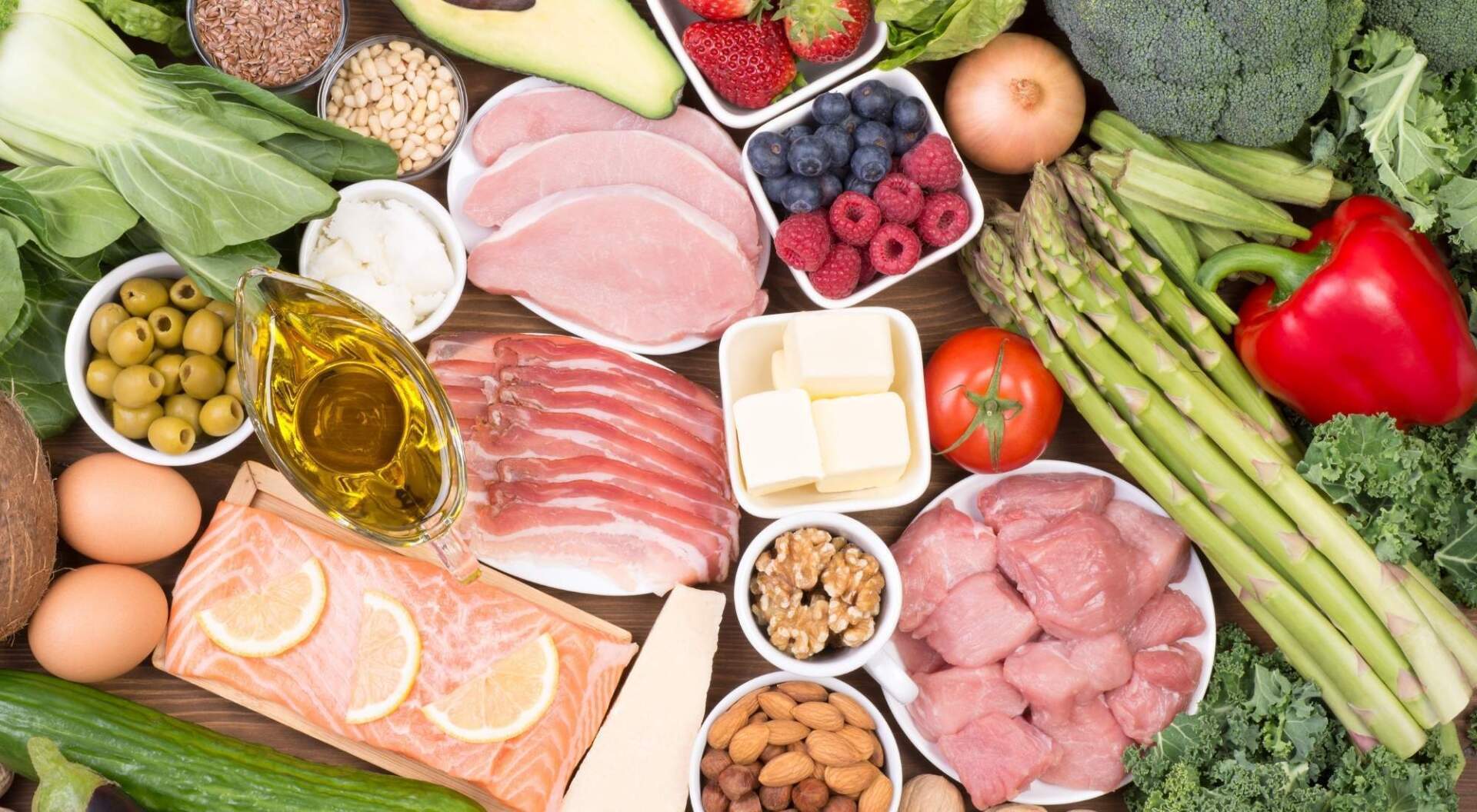
The nutrients that contribute calories to a diet are protein, fat, and carbohydrates. A low-carb diet restricts the number of carbohydrates you eat and relies more on foods high in protein and fat.
Carbohydrates are found in foods such as:
- Vegetables
- Fruits
- Beans/lentils
- Milk and yogurt
- Grains
- Sugary foods such as candy
- Snack foods like chips
- Sodas and juices
- Sweeteners – honey and syrups, for example
Many of the foods on this list are healthy, so it is important not to eliminate carbs entirely.
Complex carbohydrates, such as non-starchy vegetables and whole grains, are digested more slowly and have less of an effect on blood sugar than refined carbs like sugar. They also provide fiber, which is essential for a healthy diet.
Generally, low-carb diets focus on proteins and non-starchy vegetables, although some also allow you to have small amounts of fruits and whole grains. A typical low-carb diet allows 50-150g of carbohydrates per day. Compare this to the
Dietary Guidelines for Americans, which recommends that you ingest 225-325g of carbs per day.

Three Ways a Low-Carb Diet Can Be Helpful for People With Hypothyroidism
Foods alone cannot cure hypothyroidism. But a combination of medication and the right nutrients from your diet can help minimize symptoms and restore thyroid function.
Is a low-carb diet good for hypothyroidism? Let’s dive into the potential benefits.
#1: It Can Help Them Lose Weight
We’ve already touched on how hypothyroidism makes it easier to gain weight and also makes weight loss harder. Incorporating a low-carb diet into one’s life may be a good way to kickstart the metabolism again.
It can also help people with an underactive thyroid achieve fat loss and weight maintenance.
#2: It Can Improve Heart Health
Low-carb diets are known to be good for heart health, as they may:
- Increase good cholesterol levels
- Decrease blood pressure; and
- Decrease triglyceride levels
A
study
found that overweight people who reduced their intake of refined carbohydrates and increased their intake of healthy fats, while still eating fiber-rich foods, had greater improvements in cardiovascular disease risk factors
than those who followed a higher-carb, lower-fat diet.
#3: It Can Improve Blood Sugar
Carbs can directly affect blood glucose levels.
Any foods with carbohydrates, even those we wouldn’t think of as sugary, break down into simple sugars in the body.
Through a metabolic process, these sugars are converted to glucose, which raises our blood sugar levels. In a healthy body, this stimulates the pancreas to release insulin, which removes the glucose from the bloodstream and stores it.
The stored glucose is often used for energy, but in a body with a slower metabolism, as you often find in someone with hypothyroidism, it may not be used up and will turn into fat.
Eating a diet lower in carbohydrates will lower blood sugar levels, leading to less stored glucose being converted to fat.

What Is a Keto Diet?
The keto, or ketogenic diet, is a very low-carb, high-fat diet that has become extremely popular in recent years. Its goal is to reach ketosis, which causes your body to produce ketones from the fat in your liver and use fat, not carbs, as its main source of fuel. This causes the body to burn fat more quickly, which leads to weight loss.
The keto diet restricts carbs to fewer than 50 grams per day, maintains moderate protein intake, and drastically increases fat intake.
Is a Keto Diet Bad for Hypothyroidism?
While the keto diet is beneficial for people with many medical conditions, including epilepsy or insulin sensitivity, it is generally not recommended for people with low-functioning thyroids.
Why? Thyroid hormones are important for glucose metabolism. Drastically cutting carbs can lead to insufficient insulin levels, which can hinder the liver’s ability to convert the inactive T4 thyroid hormone to the active T3 form, reducing thyroid function. Hormonal imbalance can significantly impact your thyroid, so fueling your body with foods that support balanced hormones is important.
Another issue is that prolonged ketosis can lead to accumulated acidity, which may cause inflammation. For hypothyroidism patients who may already have problems with chronic inflammation, this may not be the best idea.
Low-Carb Diet and Thyroid: How Many Carbs Should You Eat With Hypothyroidism?
Many people think that those with hypothyroidism should not have a dietary intake of fewer than 100 grams of carbohydrates per day to prevent impaired thyroid function. Others feel that lower carb totals are okay, but that people on a low-carb, high-fat diet should take breaks from carb restriction to help restore thyroid function to normal.
If you are interested in learning more about carb intake levels for your condition, book a consultation with Dr. Sergi at HealthierU. She’ll conduct a thorough examination of your health and lifestyle and then walk you through what carb levels and other diet considerations may work best for you.
Three Additional Lifestyle Changes to Control Your Weight Due to Hypothyroidism
So what else can you do besides changing your diet to help with weight gain caused by hypothyroidism? Let’s look at three helpful changes you should incorporate into your lifestyle that may be beneficial to weight loss.
#1: Get Plenty of Sleep
You cannot discount the importance of getting good sleep for your well-being.
Sleep is essential for weight loss and overall health because it is your body’s time to repair and maintain itself.
The average adult needs 7-9 hours of sleep per night, and
research shows that women need more sleep than men.
#2: Try to Curb Your Stress
If you’re stressed, it can lead to a cycle of:
- Fatigue
- Poor eating choices; and
- Depression
These may exacerbate the existing symptoms of your hypothyroidism.
When you’re under stress, your body can release too much cortisol, which interferes with the production of your thyroid hormone.
Be on the lookout for things that cause you stress, and try to avoid them, or develop a system to manage stressful triggers.
#3: Exercise Regularly
Not only is exercise a great way to boost your metabolism, but it can also:
- Strengthen bones
- Build muscle
- Improve heart health, and perhaps most importantly
- Help you manage stress
You don’t need a hardcore exercise program to reap the benefits; regular walking or gentle yoga can be just as good for your body.
You’ve Tried Low Carb and Your Thyroid Still Isn’t Functioning Properly; Now What?
If you’re looking for a more natural way to treat your hypothyroidism and have found that the low-carb/thyroid connection isn’t working for you, consider coming to HealthierU for a nutrition consultation. We will conduct an assessment and confirm the cause of your issues, then design a custom program for you that addresses your distinct needs with a personalized hypothyroidism diet.
There may be elements of a low-carb diet in your plan, but that won’t be the sole focus. Our lifestyle programs are inclusive of things such as:
- Diet
- Whole food supplementation; and
- Exercise
HealthierU Provides Natural Treatment for Managing Your Weight and Other Issues Caused by Hypothyroidism
At HealthierU, we believe that your body knows what’s wrong with it.
As specialists in women’s health and wellness, we identify and permanently alleviate your health-related symptoms using natural remedies.
If you believe you’re suffering from hypothyroidism or other issues that are causing you to not feel your best,
contact us today for a complimentary consultation.
The content in this blog should not be used in place of direct medical advice/treatment and is solely for informational purposes.