The Hormone Connection: How Hypothyroidism and PCOS Are Intertwined
The never-ending exhaustion, extra pounds, and unpredictable, painful periods that drag on for weeks. You know your hormones are totally out of whack, but what can you do?
Hypothyroidism and PCOS may show up together and can create symptoms that are miserable and confusing — but there’s good news. With the right information, you can decode what’s happening in your body and get back to feeling like yourself again.
Here, we explore the link between hypothyroidism and PCOS and where to go for professional holistic care in Brooklyn, NY.
Table of Contents
Are PCOS and Hypothyroidism Related?
Yes, PCOS and hypothyroidism are endocrine conditions with overlapping characteristics, and it’s not uncommon for a woman to have both of them at the same time.
Both hypothyroidism and PCOS involve hormonal imbalances, but they manifest in different systems:
- Hypothyroidism involves decreased levels of thyroid hormones, which result in a slow metabolism and impact your mood, energy, and menstrual cycles.
- PCOS impacts your reproductive hormones and may result in elevated androgens and insulin resistance.
What Is PCOS?
Polycystic ovary syndrome, commonly known as PCOS, is a common hormonal disorder that affects women of childbearing age.
Causes can include:
- A family history of PCOS
- Type 2 diabetes
- Being overweight or obese
- Androgen level imbalances
PCOS high androgen levels and hormonal imbalances cause a wide range of symptoms and complications that may include:
- Irregular or missed menstrual periods
- Excessive hair growth (hirsutism)
- The development of small, fluid-filled sacs on the ovaries that release eggs that have not been fully developed
- Infertility
- Excess weight gain
- Acne
- An increased risk of developing diabetes and heart disease
What Is Hypothyroidism?
Hypothyroidism is an endocrine condition in which the thyroid gland doesn't produce enough thyroid hormones.
Causes may include:
- Hashimoto’s disease or other endocrine imbalances
- Iodine deficiency
- Congenital hypothyroidism
- Surgical or radiation treatment of the thyroid
- Certain medications
Hypothyroidism causes many body functions to slow down, and may lead to symptoms like:
- Fatigue
- Weakness
- Weight gain
- Constipation
- Dry skin and hair
- Cold intolerance
- Depression
The most common cause of hypothyroidism is an autoimmune condition called Hashimoto's disease.
If you’re ready to get to the bottom of hypothyroidism or PCOS, reach out to HealthierU today. Dr. Sergi will discuss your health concerns and goals and perform a non-invasive physical assessment to determine the underlying causes of your health-related symptoms. You’ll then receive personalized dietary and lifestyle modifications and whole food supplement recommendations. Begin your journey to health today!
6 Essential Facts About the Connection Between Hypothyroidism and PCOS
#1: Symptoms of PCOS and Hypothyroidism Can Overlap
Crossover symptoms of both PCOS and Hypothyroidism may include:
- Hair thinning
- Fertility challenges
- Mood changes
- Irregular periods
- Weight gain or difficulty losing weight
- Fatigue
The frequent overlap in the symptoms of hypothyroidism and PCOS is why the two conditions are frequently confused or overlooked — making proper testing critical for diagnosis.
#2: PCOS Increases The Risk of Thyroid Conditions, Including Hypothyroidism
A woman with PCOS may be more likely to develop a thyroid condition, including hypothyroidism.
While one study revealed that women with PCOS have a 2.5 times higher risk of thyroid disease, additional research is needed to understand the reasons.
Possibilities include:
- Increased insulin resistance
- Increased body mass index
- Hormonal imbalances, including a higher level of androgens
- Genetic factors
#3: Hypothyroidism Doesn’t Increase the Risk of PCOS
There is no concrete evidence that suggests having hypothyroidism increases your risk of developing PCOS.
While enlarged
ovaries and ovarian cysts have been found in women with hypothyroidism, the conditions don’t necessarily lead to developing PCOS down the line.
#4: Symptoms May Be More Severe for People With Both Hypothyroidism and PCOS
If you suffer from both hypothyroidism and PCOS, you may deal with more intense symptoms than a woman who only has one condition.
Increased symptoms might include:
- Difficulty becoming pregnant
- Added insulin resistance
- An increased risk of diabetes
- Weight gain
- Irregular periods
#5: If You Have PCOS, It’s Important To Monitor Your Thyroid Function Closely
Since the symptoms of hypothyroidism and PCOS overlap, if one condition is left undiagnosed, your symptoms may worsen.
For this reason, if you have PCOS, you’ll want to have regular thyroid screenings.
Testing for thyroid conditions includes a blood test to check thyroid hormone levels to ensure they are within the expected ranges. In some cases, a thyroid scan or ultrasound may be performed to check for abnormalities in the thyroid gland.
#6: Additional Considerations About PCOS and Hypothyroidism
- Ensure you have an accurate diagnosis: Since the symptoms of hypothyroidism and PCOS overlap and the co-occurrence rate is high, proper diagnosis of both conditions is crucial. Failing to diagnose one condition could lead to missing the other.
- Beware of medication interactions: Some drugs commonly prescribed for the treatment of PCOS, including metformin, can cause a drop in TSH levels. If you also deal with hypothyroidism, this can give the false impression that your thyroid is functioning normally.
- Have regular thyroid screening: Due to the high prevalence, screening for thyroid issues is recommended for anyone diagnosed with PCOS, particularly for autoimmune thyroiditis.
- Seek treatment: For women who suffer from both hypothyroidism and PCOS, addressing both conditions is the key to both symptom management and reducing health risks down the road. If you don’t notice improvement with treatment for one condition, it's vital to discuss the possibility of having both hypothyroidism and PCOS with your healthcare practitioner.
At HealthierU, we get to the cause of your problem naturally, safely, and effectively — without just covering up the symptoms. We use organic whole-food concentrates that supplement your dietary and lifestyle changes. This can speed healing and recovery when dietary and lifestyle changes alone may take longer. Contact us today to find out more.
Commonly Asked Questions About Hypothyroidism and PCOS
Is Weight Gain More Significant if You Have Both PCOS and Hypothyroidism?
It can be. Both PCOS and hypothyroidism interrupt proper metabolism and result in insulin sensitivity, which makes managing your weight much more challenging. Seeking
natural treatment for hypothyroidism and/or PCOS and pursuing a healthy lifestyle can help tremendously.
How Are Hypothyroidism and PCOS Diagnosed?
Individual testing for each condition generally includes taking into account your medical history and unique symptoms, as well as:
- Thyroid: A blood test to check TSH, Free T4, Free T3, and thyroid antibodies.
- PCOS: A hormone panel blood test, including androgens, and LH/FSH, a pelvic ultrasound, and checking glucose and insulin levels.
Can Hypothyroidism and PCOS Affect Fertility?
Yes.
Hypothyroidism may disrupt ovulation, making it hard to become pregnant. It can also lead to a higher-than-normal incidence of miscarriage.
Polycystic ovarian syndrome is also a common cause of infertility and miscarriage.
Managing PCOS and treating hypothyroidism are vital for improving fertility outcomes.
Does Insulin Play a Role in Both Hypothyroidism and PCOS?
For many women, it does, with insulin resistance acting as a key link between the two conditions.
Insulin resistance is a central feature of PCOS and leads to metabolic issues and elevated androgen levels.
The thyroid hormone deficiency in hypothyroidism can diminish your body's ability to use insulin, leading to increased insulin resistance.
Can Diet Help Manage Both Hypothyroidism and PCOS?
Yes! A nutrient-rich, anti-inflammatory diet often helps. Tips for following a PCOS and hypothyroid diet include:
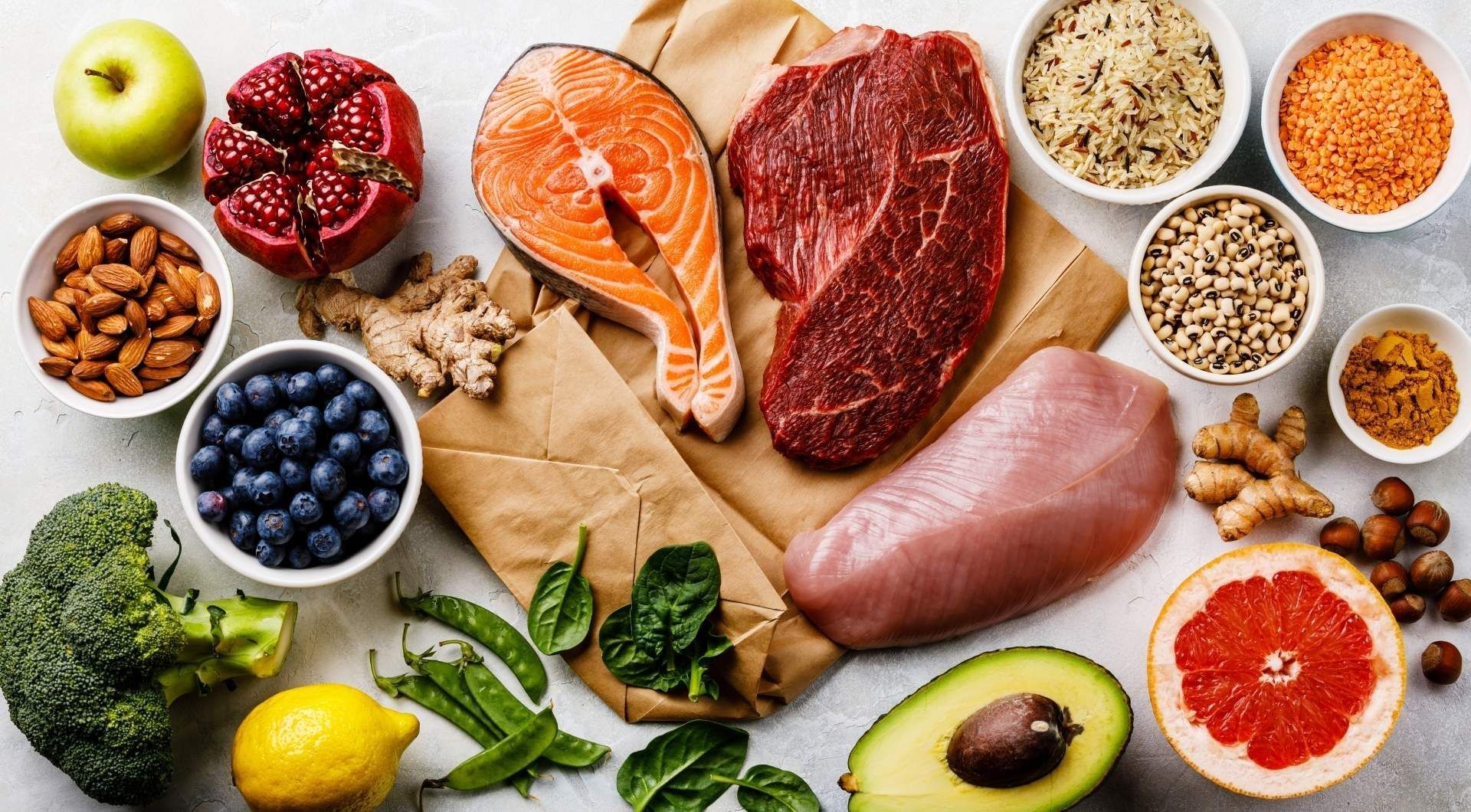
- Prioritizing eating lean proteins like fish and chicken.
- Consuming vegetables like leafy greens, broccoli, celery, carrots, and beets.
- Sticking to low-glycemic carbohydrates like steel-cut oats, barley, quinoa, brown rice, rye bread, and whole-grain pasta.
- Choosing healthy fats, such as extra virgin olive oil, avocado oil, flaxseed oil, coconut oil, and real butter.
- Skipping overly processed and high-sugar foods, including soft drinks, energy drinks, chips, candy, instant noodles, breakfast cereals, pre-made meals, hot dogs, chicken nuggets, and sweetened yogurts.
- Getting adequate iodine, selenium, and zinc through your diet or supplements.
Are you unsure where to begin with a healthy PCOS and hypothyroid diet? HealthierU can help!
HealthierU Specializes in Holistic Solutions for Hypothyroidism and PCOS
Whether you’re dealing with hypothyroidism, PCOS, or another health condition, the journey to a healthier you begins at HealthierU.
Dr. Donna Sergi is Brooklyn's leading expert in holistic nutrition and has dedicated her entire life to pursuing health and wellness. She’s committed to helping patients just like you get healthy — and stay healthy naturally — with her professional nutrition and lifestyle guidance.
Reach out today for your free health consultation.