How To Diagnose Hashimoto’s Thyroiditis: Tests, Symptoms, and What To Expect
If you’ve been feeling more tired than usual, noticing unexpected weight changes, or struggling to stay focused, you’re probably starting to question what’s off. Maybe you’ve even had labs drawn that came back “normal.”
For many women, these symptoms are easy to chalk up to stress, aging, or a busy life, but there’s a common thyroid condition that often goes undiagnosed.
This article will help you understand what Hashimoto’s thyroiditis is, how to spot patterns, and which questions can provide clarity and confidence as you navigate the next steps.
Table of Contents
What Is Hashimoto’s Thyroiditis?
Hashimoto’s thyroiditis is an autoimmune condition that affects the thyroid gland. In autoimmune conditions, the immune system mistakenly attacks healthy tissue. With Hashimoto’s, the immune system targets the thyroid, a small but powerful gland that plays a crucial role in regulating metabolism, energy levels, body temperature, and hormone balance.
Over time, this immune response can damage thyroid tissue and interfere with hormone production. Many people eventually develop hypothyroidism, which means the thyroid is no longer producing enough thyroid hormones to meet the body’s needs.
Hashimoto’s often begins long before standard thyroid hormone levels fall outside the normal range. A woman may have Hashimoto’s for years while blood work appears normal. During this early phase, warning signs may be present, but they’re often subtle or inconsistent.
Understanding how to diagnose Hashimoto’s thyroiditis symptoms early can help women recognize patterns before thyroid hormone levels become abnormal.
Common features of Hashimoto’s thyroiditis include:
- A slow, gradual progression
- Symptoms that may come and go
- Immune system involvement rather than a hormone problem alone
- A higher prevalence in women, especially between the ages of 30 and 60
Because the condition develops slowly, it is frequently overlooked or misattributed to lifestyle factors.
Hashimoto’s vs. Hypothyroidism: What’s the Difference?
Hypothyroidism refers to a condition characterized by low levels of thyroid hormone in the body. It’s a hormone imbalance. Hashimoto’s thyroiditis describes the underlying autoimmune process that causes damage to the thyroid.
Key differences to understand include:
- Hashimoto’s thyroiditis is an autoimmune condition.
- Hypothyroidism is a functional outcome of reduced thyroid hormone production.
- Not all cases of hypothyroidism are caused by Hashimoto’s.
- A person can have Hashimoto’s without hypothyroidism, especially in early stages.
Hashimoto’s is the most common cause of hypothyroidism in iodine-sufficient countries. Other causes of hypothyroidism can include certain medications, thyroid surgery, radiation exposure, or severe iodine deficiency.
This distinction matters because identifying the autoimmune component can change how care is approached. Looking only at thyroid hormone levels may miss the immune activity happening beneath the surface.
Understanding whether symptoms are related to Hashimoto’s, hypothyroidism, or both is an important step toward creating a more personalized and supportive nutrition-focused care plan. If you’re looking for
hypothyroidism treatment in Brooklyn, contact HealthierU to connect with a natural nutritionist.
What Are the Warning Signs of Hashimoto’s?
Common warning signs of Hashimoto’s include persistent fatigue, unexplained weight gain, brain fog, hair thinning, constipation, feeling cold, mood changes, and menstrual irregularities. Symptoms often develop slowly and may appear years before thyroid lab results become abnormal.
For many women, these symptoms can feel vague or easy to explain away. Especially during perimenopause and menopause, thyroid-related symptoms can overlap with normal hormonal changes, which can delay proper evaluation.
A case of Hashimoto’s thyroiditis might include:
- Ongoing fatigue that does not improve with rest
- Gradual weight gain or difficulty losing weight
- Brain fog, poor concentration, or memory issues
- Hair thinning or increased hair shedding
- Constipation or slower digestion
- Heavy, irregular, or more painful menstrual periods
- Feeling cold when others are comfortable
- Mood changes such as low mood, anxiety, or irritability
Presenting signs do not always appear at the same time. Some women notice one or two changes at first, while others experience a wider range of concerns over time. The intensity of symptoms can also fluctuate, which makes them harder to track.
If several of these symptoms sound familiar or continue despite lifestyle changes, it may be worth requesting a more thorough thyroid evaluation. Early attention can help clarify whether the thyroid or immune system may be playing a role and guide next steps in care.
How Does an Endocrinologist Diagnose Hashimoto’s?
An endocrinologist diagnoses Hashimoto’s by reviewing health indicators, medical history, risk factors, physical findings, and thyroid-related lab tests. Blood work plays a key role, but diagnosis is based on the full picture rather than a single test result.
The diagnostic process usually unfolds in steps. Symptoms often prompt further evaluation, especially when they align with known risk factors.
#1: Medical History
Medical history is often the starting point. An endocrinologist will ask detailed questions to better understand patterns and timing of concerns.
This may include:
- Energy levels and fatigue patterns
- Weight changes and metabolism concerns
- Digestive symptoms
- Mood changes or cognitive concerns
- Menstrual cycle changes
- Fertility or pregnancy history
- Postpartum symptoms
- Family history of thyroid or autoimmune conditions
Symptoms frequently guide the decision to order thyroid testing. Even when blood work has been normal in the past, a consistent symptom pattern may warrant a closer look.
#2: Risk Factors
Certain factors increase the likelihood of Hashimoto’s and help clinicians determine when further evaluation is appropriate.
Common risk factors include:
- Female between the ages of 30 and 60
- Family history of thyroid disease or autoimmune conditions
- Personal history of autoimmune disease
- Recent pregnancy or postpartum changes
These factors raise suspicion because
autoimmune thyroid conditions are more common in women and often emerge during periods of hormonal change.

#3: Physical Exam
Your provider may want to gently examine your neck to assess your thyroid gland.
They may look for:
- Thyroid enlargement, also called a goiter
- Swelling or asymmetry in the neck
- Tenderness in the thyroid area
- Visible changes when swallowing
Not everyone with Hashimoto’s will have noticeable physical changes, but these findings can support further evaluation.
#4: Imaging
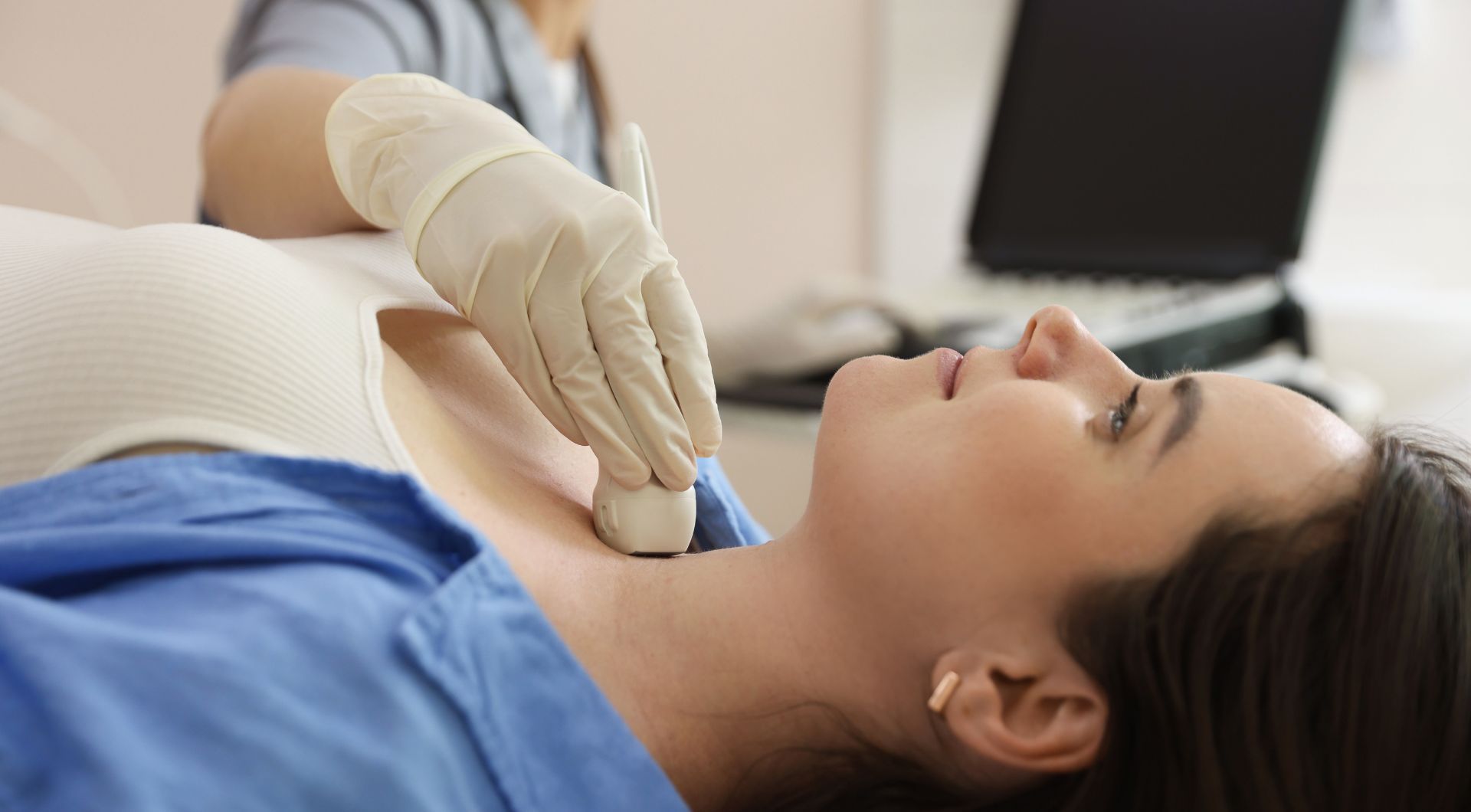
Imaging is not always required, but it may be used in certain situations.
Ultrasound may be used to:
- Check for thyroid enlargement.
- Evaluate nodules.
- Identify structural changes commonly seen in autoimmune thyroiditis.
While ultrasound can provide useful information, many people receive a diagnosis without imaging.
#5: Lab Results
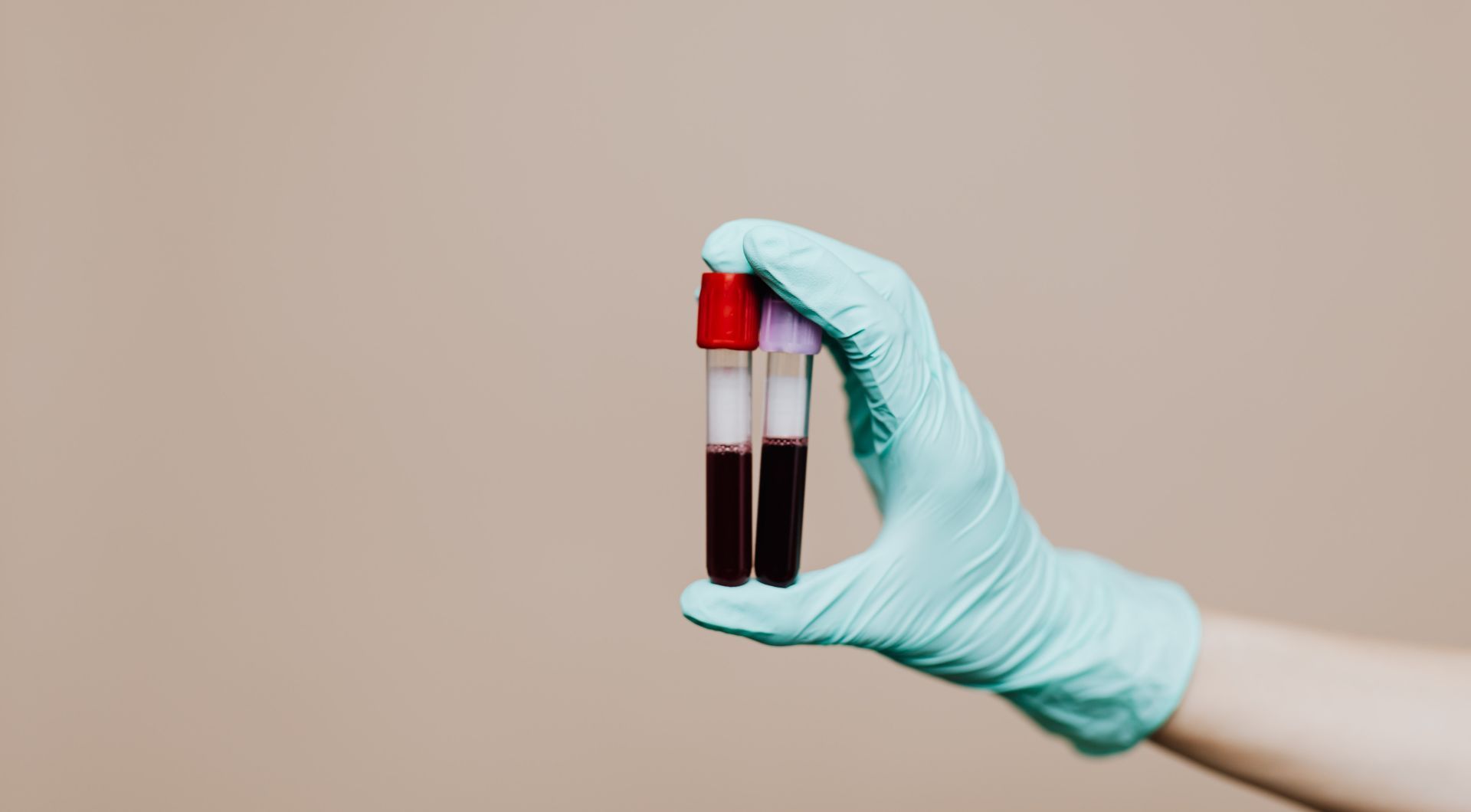
Lab testing is essential for confirming Hashimoto’s thyroiditis to assess thyroid hormone levels and immune activity.
Common tests include:
- TSH
- Free T4
- Thyroid antibodies, especially TPO antibodies
These tests work together to show how the thyroid is functioning and whether the immune system is involved.
What Test Confirms Hashimoto’s?
There is no single test that confirms Hashimoto’s thyroiditis. Doctors make the diagnosis by combining lab results with symptoms, medical history, and overall clinical context. Thyroid antibody testing plays a central role, supported by hormone levels that show how the thyroid is functioning.
Hashimoto’s is an autoimmune condition, which means testing looks beyond hormone levels alone. Antibody tests help identify immune system activity, while thyroid hormone tests show how much the gland has been affected.
Thyroid Peroxidase (TPO) Antibody Test
The thyroid peroxidase, or TPO, antibody test is the primary test used to confirm Hashimoto’s thyroiditis. TPO is an enzyme that the thyroid uses to produce hormones.
When TPO antibody levels are elevated, it signals that the immune system is attacking thyroid tissue. Most people diagnosed with Hashimoto’s have high TPO antibodies at some point in the disease process.
TPO antibodies may appear years before thyroid hormone levels become abnormal. This makes the test especially useful when symptoms are present but standard thyroid labs still look normal.
Thyroglobulin (Tg) Antibody Test
The thyroglobulin antibody test looks for a different type of thyroid antibody. Thyroglobulin is a protein made by the thyroid that helps store thyroid hormones.
This test may be ordered if TPO antibodies are negative, but signs and risk factors still point toward Hashimoto’s. Not everyone with Hashimoto’s has elevated thyroglobulin antibodies, but when present, they can offer additional confirmation of autoimmune thyroid involvement.
Thyroid-Stimulating Hormone (TSH)
TSH testing helps assess how well the thyroid is functioning, but it does not confirm Hashimoto’s on its own. TSH is produced by the pituitary gland and signals the thyroid to make hormones.
An elevated TSH level usually indicates hypothyroidism. Since Hashimoto’s is the most common cause of hypothyroidism in iodine-sufficient regions, TSH is often part of the diagnostic picture.
Free T4 and Free T3
Free T4 and Free T3 tests measure the actual thyroid hormones circulating in the bloodstream.
Low Free T4 confirms hypothyroidism and shows that the thyroid is not producing enough hormone. Free T3 may provide additional insight into how the body converts and uses thyroid hormone at the tissue level.
Together, these tests help clarify both immune activity and thyroid function, which allows providers to make a more informed diagnosis and plan appropriate next steps.
Challenges in the Diagnosis of Hashimoto’s Disease
As we’ve discussed, diagnosing Hashimoto’s thyroiditis is not always straightforward. Blood tests provide valuable information, but they don’t always capture the full picture, especially in the early stages of the condition.
Some women have elevated thyroid antibodies while thyroid hormone levels still fall within the normal range. This is often referred to as early-stage or subclinical Hashimoto’s. Symptoms may already be present, but lab results don’t yet reflect clear hypothyroidism. In these cases, concerns can be dismissed or overlooked.
Diagnosis can also be challenging because many Hashimoto’s symptoms overlap with other common conditions, particularly in women between the ages of 30 and 60.
Conditions that may mimic or mask Hashimoto’s include:
- Iron deficiency
- Perimenopause or menopause
- Depression or low mood
- Chronic stress or burnout
- Other autoimmune conditions
Because conditions like fatigue, brain fog, and weight gain are so common, it’s easy for autoimmune thyroid disease to go unrecognized.
This is why context matters. Physical changes, history, risk factors, and trends over time are often just as important as a single lab value.
What Happens After a Hashimoto’s Thyroiditis Diagnosis?
After a Hashimoto’s diagnosis, the focus typically shifts to monitoring thyroid function and supporting overall health. Care plans vary depending on symptoms, hormone levels, and individual needs.
Common next steps may include:
- Regular monitoring of thyroid labs
- Thyroid medication if hypothyroidism is present
- Ongoing symptom tracking
- Nutrition and lifestyle support
Even with medication, many women continue to experience symptoms if underlying nutritional needs are not addressed. Food choices, nutrient status, stress levels, and digestive health can all influence how the body responds over time.
This is where personalized care is especially valuable. A provider who supports immune balance, energy levels, and long-term well-being can help guide a more effective path forward.
If you have been diagnosed with Hashimoto’s or suspect thyroid involvement,
requesting a nutrition consultation is a meaningful next step toward holistic support.
Find Ongoing Support After Your Hashimoto’s Diagnosis at HealthierU
A Hashimoto’s diagnosis can feel overwhelming, but you don’t have to navigate it alone. At HealthierU, care is centered on understanding you as an individual.
We work closely with women to explore how nutrition, targeted supplementation, and personalized support can fit into your health journey. The focus is on practical, sustainable changes that support thyroid health, immune balance, and overall vitality.
If you’re looking for guidance that feels supportive, clear, and tailored to your body, request a nutrition consultation today and take the next step toward feeling more like yourself again.