Hashimoto’s Hives: Understanding, Managing, and Healing Your Skin Reactions
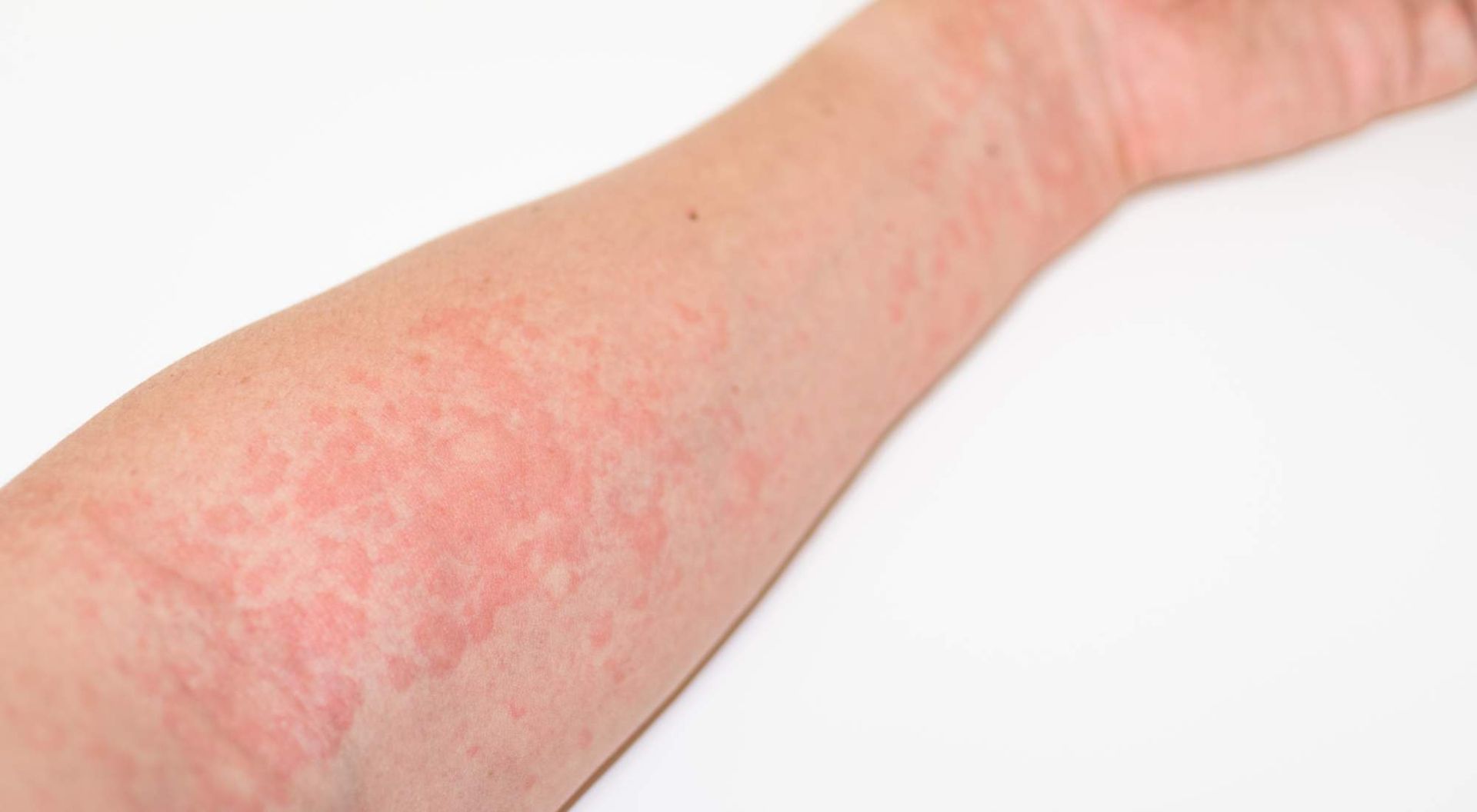
If you’re living with Hashimoto’s thyroiditis and keep breaking out in itchy, red hives that seem to appear out of nowhere, you’re not imagining things. While Hashimoto’s is best known as an autoimmune thyroid disorder, it can also trigger a surprising range of skin issues — including chronic hives.
Known medically as urticaria, these welts can flare up unexpectedly, linger for weeks or months, and make daily life uncomfortable. Understanding the connection between your thyroid and your skin is key to finding relief.
In this article, we’ll explore why Hashimoto’s can cause hives, what symptoms to watch for, and how you can manage flare-ups to restore comfort and balance to your body.
Table of Contents
What Are Hashimoto’s Hives?
Hashimoto’s hives are a type of chronic idiopathic urticaria (CIU) that may occur in Hashimoto’s patients because of reactions to a variety of hypothyroidism causes, like:
- Inflammation
- Changes in blood flow
- Skin sensitivities
These hives can be frustrating and often appear without warning. However, they’re actually more common than many realize. According to
research, “In patients with chronic urticaria, about 25%–30% of cases, antithyroid peroxidase (TPO) was detected and Hashimoto's disease was diagnosed.”
Understanding the Connection Between Hashimoto’s and Hives
If you have Hashimoto’s thyroiditis and struggle with recurring hives, you’re not alone. Researchers are still uncovering exactly how these two conditions are linked, and more research is needed, but several key factors may help explain why they often show up together:
- Immune system inflammation – In Hashimoto’s, the immune system attacks the thyroid, creating inflammation that releases chemicals called cytokines. These can irritate the skin and trigger hives.
- Overactive mast cells – Ongoing inflammation can overstimulate mast cells — immune cells in the skin that release histamine, the substance that causes itching, redness, and welts.
- High TSH levels – When your thyroid is underactive, your body makes extra thyroid-stimulating hormone (TSH) to try to jumpstart it. High TSH levels may mimic inflammatory chemicals and set off skin reactions.
- Thyroid antibodies (like TPO) – Many people with both Hashimoto’s and chronic hives have antithyroid antibodies, especially TPO antibodies. These can affect not just the thyroid but also trigger immune responses in the skin.
- Allergic-type reactions (IgE response) – During autoimmune flare-ups, your body may release IgE antibodies, which are the same ones that cause allergic reactions. This can lead to rashes and hives even without a clear allergen.
- Weakened immune regulation – People with Hashimoto’s often have fewer regulatory T cells — the cells that keep the immune system balanced. Without enough of them, the immune system can overreact and attack healthy tissue, including skin.
- Skin sensitivity from hypothyroidism – Low thyroid hormone levels can make the skin dry, thin, and more reactive. This extra sensitivity can make hives more likely to appear and harder to calm.
Common Symptoms and Patterns
Hives can appear anywhere on the body, though they most often show up on the arms and chest. Each outbreak usually lasts less than a day, but new ones can pop up in the same spot again the next day.
If hives come and go for only a short time, they’re considered acute. When they persist or recur for more than six weeks, they’re called chronic hives.
In some cases, hives can come with other symptoms such as nausea, muscle aches, vomiting, or diarrhea, depending on how severe the reaction is.
Common symptoms of chronic urticaria (hives) include:
- Raised, red, or skin-colored welts (wheals) that can appear anywhere on the body
- Wheals that change shape or size — fading and reappearing over time
- Itching that can range from mild to intense, sometimes with a stinging or burning feeling
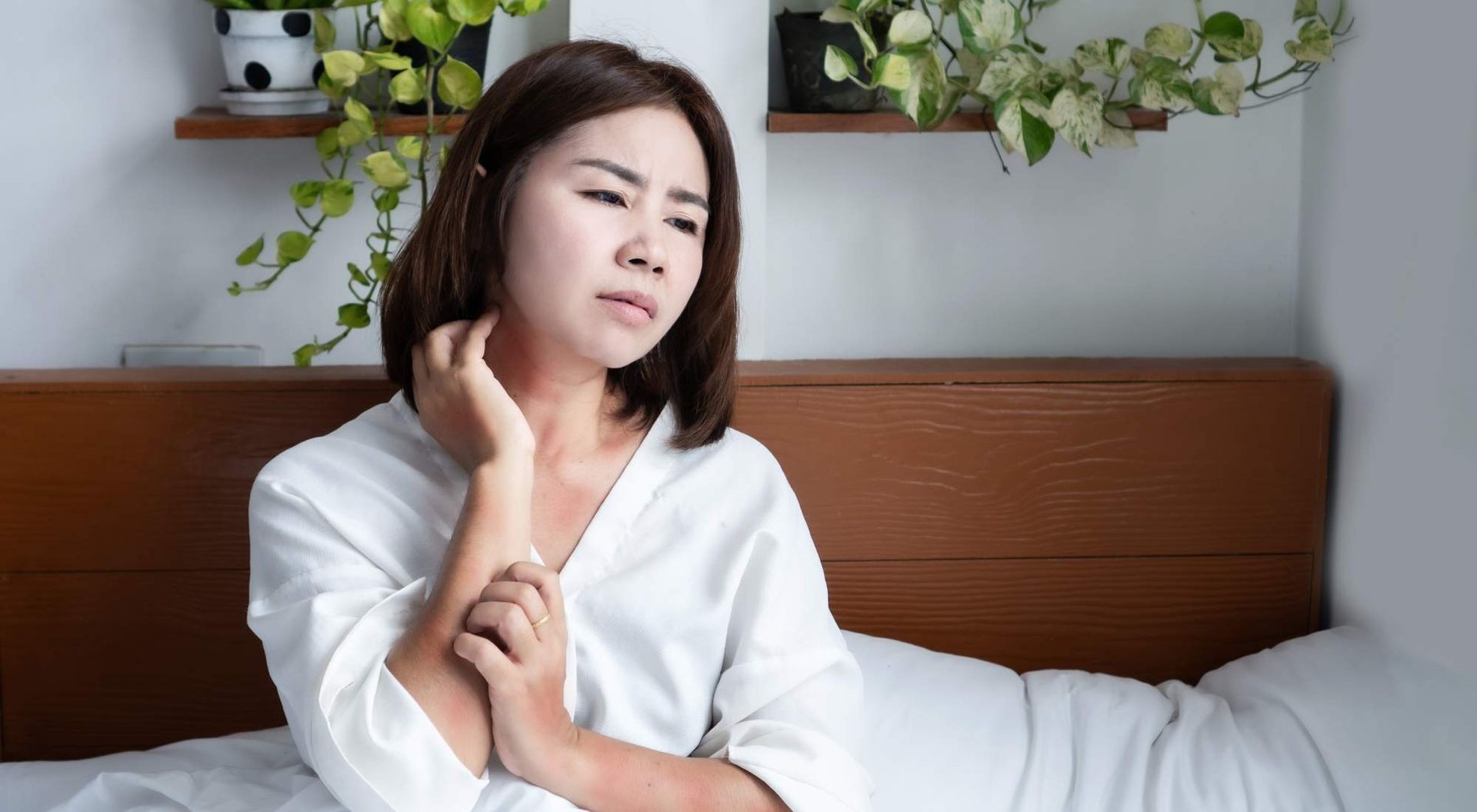
- Patches of itchy rash, especially around the neck, chest, back, face, or buttocks
- Inflamed, red, and swollen areas of skin
- Localized swelling that may also affect other areas, such as the lips or face
- Pain or tenderness in areas where the skin is inflamed
- Inflammation throughout the body — particularly in the gut — can contribute to or worsen hives
Natural, holistic, nutritional relief from Hashimoto’s hives and other thyroid symptoms, contact Dr. Sergi today. As a specialist in women's health and wellness with over 25 years of experience, Dr. Sergi has the knowledge and expertise to help remedy a variety of conditions and relieve many health symptoms.

Why Hives Occur in Hashimoto’s Patients
Hives occur in Hashimoto’s patients for a variety of reasons. Let’s take a look at a few of the most common causes.
Immune System Dysregulation
Hashimoto’s thyroiditis disrupts normal immune system regulation, causing the body to overreact to triggers that would normally be harmless. This immune dysregulation can lead to chronic inflammation and the release of IgE antibodies, which prompt histamine release and result in hives or other skin reactions.
External irritants, like soaps, creams, or detergents, may trigger flare-ups more easily when the immune system is hypersensitive. Stress can worsen the problem, as hormones like cortisol increase inflammation, histamine levels, and itchiness.
Hormonal and Thyroid Imbalances
Fluctuations in thyroid hormones, common in Hashimoto’s, can make skin symptoms like hives worse. Low levels of thyroid hormones (T3 and T4) and high levels of thyroid-stimulating hormone (TSH) can both trigger inflammation, histamine release, and immune overreactions in the skin.
Hormonal imbalances may also increase susceptibility to histamine intolerance, making it harder for the body to manage histamine, which may lead to more frequent or severe hives.
Common Triggers for Hashimoto’s Urticaria
Potential triggers for
Hashimoto’s hives include:
- Stress – Stress can worsen inflammation and trigger the immune system to overreact, increasing the likelihood of hives.
- Food sensitivities – Certain foods can subtly irritate the immune system, leading to inflammation. Over time, repeated exposure may contribute to chronic hives.
- Histamine-rich foods and histamine intolerance – Some people have trouble breaking down histamine from foods, which can activate immune cells and trigger itching, welts, or rashes.
- Medications and supplements – Even long-term medications or supplements can suddenly provoke hives due to immune system sensitivities or changes in how the body reacts.
- Environmental factors (fungal pathogens and mold) – Exposure to mold or fungi in your home or workplace can sometimes be a hidden cause of chronic hives.
- Infections – Certain infections can overstimulate the immune system, potentially leading to hives or worsening existing skin inflammation.
How To Treat Hashimoto’s Hives
Because Hashimoto’s hives can stem from a variety of causes, the first step to treating hives is getting to the root cause — addressing Hashimoto's disease itself. Treating Hashimoto’s hives and symptoms may also include a combination of the following:
- Diet and nutrition strategies
- Stress management
- Lifestyle adjustments
- Medications
Address the Root Cause
Treating Hashimoto’s hives effectively isn’t just about easing symptoms — it’s about targeting the underlying triggers. By identifying and addressing the root causes, you can reduce inflammation, prevent recurrent hives, and improve overall health and quality of life. Understanding what drives hives can also provide insight into other related symptoms.
When considering the root cause, remember that one of the following may be responsible for hives in Hashimoto’s patients:
- Autoimmune assault
- Systemic inflammation
- Mast cell overactivity
- Elevated TSH levels
- Allergic or environmental triggers
- Hormonal factors

Diet and Nutrition Strategies
Nutrition plays a key role in managing Hashimoto’s hives because what you eat can directly affect inflammation, immune system activity, and gut health. Adopting a thoughtful dietary approach can help reduce flare-ups, support healing, and improve overall well-being.
While these approaches require consistency and patience, they can be highly effective when tailored to your individual needs.
Key diet and nutrition strategies may include:
- Addressing your gut – Focus on reducing inflammation, healing the gut lining, and promoting healthy gut bacteria. This requires consistent dietary changes and lifestyle adjustments over months or even years, not just taking a single probiotic.
- Monitoring your diet and food sensitivities – Identify and avoid foods that trigger inflammation or histamine release.
- Adopting low-histamine or AIP diets – A low-histamine diet avoids foods that contain or trigger excess histamine, while the Autoimmune Protocol (AIP) diet eliminates foods that commonly provoke immune reactions, focusing on nutrient-dense, healing foods.
- Take anti-inflammatory supplements – Supplements like zinc, vitamin D3, and fish oil can help calm immune activity and reduce systemic inflammation.
- Work with healthcare professionals – Personalized guidance ensures that dietary changes and supplements meet your nutritional needs and effectively target the underlying causes of inflammation and hives.
At
HealthierU, that’s exactly what Dr. Sergi’s treatments are all about — discovering the root cause of your symptoms and then creating a customized plan to address diet, lifestyle, and supplementation. Contact Dr. Sergi today for a consultation.
Stress Management and Lifestyle Adjustments
Managing stress and supporting a healthy lifestyle are essential for reducing both Hashimoto’s symptoms and chronic hives. Stress can worsen inflammation, trigger flare-ups, and impact social interactions and daily activities. Tailoring strategies to your personal health needs can make a meaningful difference in controlling symptoms and supporting immune balance.
Consider these practical stress management and lifestyle tips:
- Prioritize sleep – Aim for 7–9 hours of quality sleep each night and establish a calming bedtime routine to support recovery.
- Exercise regularly – Physical activity releases endorphins, relieves tension, and supports overall health. Choose activities you enjoy, such as walking, yoga, or swimming.
- Limit alcohol and caffeine – These substances can heighten anxiety, disrupt sleep, and aggravate hives.
- Practice relaxation techniques – Incorporate meditation, deep breathing exercises, yoga, or progressive muscle relaxation to calm the nervous system.
- Spend time in nature – Outdoor activities like walking, gardening, or simply enjoying green spaces can reduce stress and improve mood.
- Engage in hobbies – Dedicate time to enjoyable activities such as reading, listening to music, or spending time with pets to recharge and lower stress levels.
- Connect with others – Build a support network by spending quality time with friends and family, which can buffer stress and improve emotional resilience.
- Manage your time – Use tools like to-do lists, prioritization, and breaking large tasks into smaller steps to reduce stress and increase productivity.
- Set boundaries – Learn to say “no” when necessary to prevent overcommitment and protect your energy.
- Seek professional help – If stress is severe or persistent, consider consulting a mental health professional for guidance and support.
Topical and Symptom-Relief Options
For immediate relief from the discomfort of hives, topical creams, sprays, and certain medications can help reduce itching, swelling, and inflammation. While these treatments don’t address the root cause, they can provide short-term symptom relief, especially for localized flare-ups. Both over-the-counter and prescription options are available, and combining them with self-care strategies can enhance comfort.
Medicinal options to relieve hives symptoms include:
- Topical steroids
- Antihistamine creams
- Lidocaine cream or spray
- Oral steroids
- Oral antihistamines (histamine blockers)
- H2 blockers and acid blockers
- General allergy medications
- Self-care topical measures like lukewarm oatmeal baths or cold compresses
- Fragrance-free moisturizers to reduce dryness
Wearing loose cotton clothing, avoiding very hot showers, and maintaining a cool, comfortable home environment can help prevent flare-ups.
Preventing Future Flares and Maintaining Healthy Skin
Preventing hives involves identifying personal triggers, supporting long-term immune health, and monitoring thyroid function to reduce flare-ups.
Practice these tips to help prevent recurrences:
- Track triggers and patterns.
- Support Thyroid and Immune Health with medication, diet, and lifestyle.
- Manage stress and lifestyle factors.
- Monitor for concerning symptoms.
- Schedule regular check-ups.
Hashimoto’s Disease and Hives: Working With HealthierU for Personalized Support
HealthierU prioritizes root cause healing and symptom relief with
customized strategies grounded in a holistic nutrition approach.
Comprehensive Thyroid and Immune Evaluation
During your first visit, Dr. Sergi spends about 30 minutes reviewing your health history, main concerns, and goals, followed by a physical assessment. Using non-invasive protocols, she examines your symptoms to identify the root causes of your health issues and develops a personalized plan aimed at preventing them from recurring, rather than simply masking the symptoms.
Customized Treatment Plans
After your assessment, you’ll have a follow-up appointment where Dr. Sergi:
- Reviews her findings
- Discusses whether you’re a candidate for the nutrition program
- Outlines the expected timeline for healing, visit frequency, and costs
- Provides guidance on dietary, lifestyle, and supplement changes
Monitoring and Adjusting Your Plan
Healing timelines vary because everyone’s body responds differently — some may notice improvements within days, while others may take months, but most patients notice positive changes within 4–6 weeks of following their plan.
Feeling better does not necessarily mean the underlying cause has been fully resolved; most people require 6–18 months to correct the root issue. Each program is uniquely tailored to meet each client’s specific needs.
Schedule a consultation and start your healing journey with HealthierU today.